
Understanding Spiritual Growth
Spiritual growth in the context of a child’s development refers to the multifaceted process of nurturing a child’s innate sense of wonder, moral values, and emotional intelligence. Unlike religious education, which focuses primarily on the doctrines and practices of a specific faith, spiritual growth encompasses a broader spectrum of personal development. This includes emotional, moral, and cognitive dimensions that contribute to a child’s holistic well-being.
Emotionally, spiritual growth fosters a child’s ability to understand and manage their feelings, promoting resilience and empathy. Children who develop a strong emotional foundation are better equipped to navigate life’s challenges, build healthy relationships, and exhibit compassion towards others. Morally, spiritual growth helps inculcate a robust moral compass within a child. It encourages them to differentiate between right and wrong, fostering a sense of justice, fairness, and ethical conduct.
Cognitively, spiritual growth stimulates curiosity and critical thinking. It allows children to ponder profound questions about existence, purpose, and interconnectedness. This cognitive engagement not only nurtures their intellectual growth but also aids in the development of a balanced worldview. By distinguishing spiritual growth from religious education, it becomes clear that the former is more inclusive, catering to children from diverse backgrounds and belief systems.
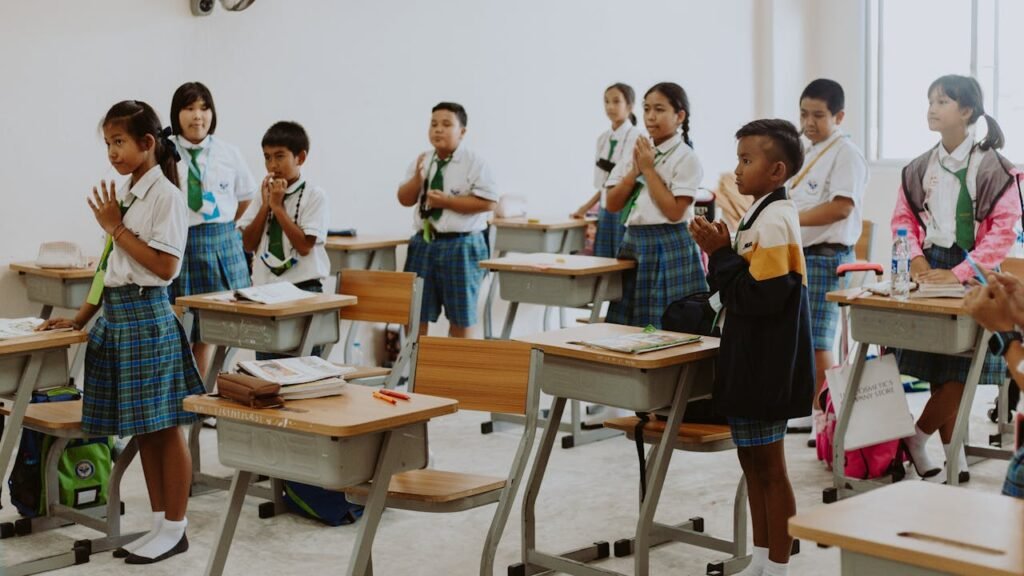
Instilling spiritual growth in a child’s school environment is essential for their holistic development. It helps them develop empathy, build emotional resilience, and cultivate a strong moral framework. These attributes are invaluable throughout their lives, contributing to their overall well-being and success. In the long term, children who experience spiritual growth tend to become compassionate, thoughtful, and morally grounded adults, positively impacting their communities and society as a whole.
The Role of Schools in Supporting Spiritual Growth
Schools play an instrumental role in supporting the spiritual growth of students, even within predominantly secular environments. One essential way schools contribute to this development is through their curriculum. By integrating values such as empathy, kindness, and social responsibility into everyday lessons, schools help nurture a child’s sense of spirituality and their understanding of the world around them.
Incorporating empathy and kindness can start with simple classroom activities. For instance, during language arts lessons, teachers can introduce stories and texts that highlight themes of compassion and understanding. These discussions not only enhance literary skills but also engage students in exploring their own moral compass. Similarly, social studies classes can address social responsibility by examining historical figures who have championed humanitarian causes, sparking interest in global citizenship and ethical leadership.
Beyond the curriculum, schools can implement programs and activities specifically designed to foster spiritual growth. Team-building exercises, for example, encourage collaboration and mutual respect among students. These activities help children develop a sense of community and shared purpose, which are foundational aspects of spirituality. Moreover, classroom discussions on moral dilemmas offer a platform for students to articulate their values, consider diverse perspectives, and build critical thinking skills.
Extracurricular activities provide another valuable opportunity for spiritual growth. Participation in clubs or groups centered on community service allows students to put their values into action. Whether it’s a recycling initiative, a food drive, or helping at a local shelter, these experiences empower students to make positive contributions to society, reinforcing the values they learn in the classroom.
In summary, schools have the unique capacity to support the spiritual development of their students. By thoughtfully integrating empathy, kindness, and social responsibility into both the curriculum and extracurricular activities, educational institutions can create an environment that nurtures the holistic growth of children.
The Importance of Parental Involvement
Parental involvement is vital in nurturing a child’s spiritual growth, serving as the foundational cornerstone upon which lasting spiritual values are built. It is within the home that children first encounter and experience these values, making the role of parent’s indispensable. By integrating spiritual practices into daily family routines, parents can create an environment that consistently reinforces these ideals. For example, starting or ending the day with a family prayer, reading spiritually enriching stories together, and participating in communal religious events are all practical ways parents can reinforce their child’s spiritual development.
Modeling spiritual values is another crucial aspect of parental involvement. Children often emulate the behaviors and attitudes of their parents, and witnessing firsthand examples of compassion, patience, integrity, and empathy can significantly impact their spiritual growth. Therefore, parents should strive to exhibit these values in their everyday actions, creating a living example for their children to follow.
Open conversations about spirituality allow children to explore and understand their beliefs more deeply. Parents should encourage their children to ask questions and express their thoughts, providing earnest and thoughtful responses that help demystify complex spiritual concepts. Engaging in dialogues about morality, purpose, and the importance of spiritual practices solidifies the family’s collective understanding and appreciation of these principles.
Creating a spiritually nurturing home environment involves more than scheduled practices and discussions; it requires cultivating an atmosphere that embodies love, respect, and gratitude. Parents can achieve this by fostering a sense of community and shared responsibility within the family, encouraging acts of kindness, and expressing appreciation for each other’s contributions. Establishing family traditions that emphasize spiritual milestones and celebrations also plays a pivotal role in this nurturing process, providing children with tangible experiences of their spiritual journey.
Open Communication with Teachers
Maintaining an open line of communication with teachers is pivotal in nurturing a child’s spiritual growth within the school environment. Effective dialogue with teachers about your child’s spiritual needs ensures a supportive and understanding atmosphere that allows students to thrive holistically. Engaging in open and honest discussions with educators about spirituality can be approached with sensitivity, ensuring that the focus remains on the child’s well-being without imposing specific religious beliefs.
When initiating conversations with teachers, parents should first seek to understand the school’s policies and culture regarding spirituality and religious expression. This understanding can help frame the dialogue constructively. It is advisable for parents to request meetings with teachers or school administrators where they can openly share their child’s spiritual preferences and needs. Approaching these discussions with respect and an open mind fosters a cooperative spirit, enabling teachers to better support the child’s holistic development.
Guidelines for these conversations include being clear and specific about what kind of support or accommodations might help your child feel more comfortable inside the school environment. For instance, parents might discuss the significance of particular practices, such as moments of reflection or meditation, that are important to their child’s sense of peace and balance. It is crucial to express these needs as part of the child’s overall well-being rather than as a demand for religious practices, thus respecting the diverse school community.
Building a network of support involving parents, teachers, and school administrators creates an inclusive environment that promotes the spiritual well-being of all students. This network ensures that the school is attentive to the varied needs of its students and can adapt its practices to cater to their diverse spiritual backgrounds. By fostering open communication and collaboration, parents and educators can work together to create a nurturing atmosphere that facilitates spiritual growth alongside academic and social development.
Encouraging Positive Relationships
Positive peer relationships are vital for the spiritual well-being of children. Friendships and healthy social interactions give students a sense of belonging, support, and understanding, which are crucial for their overall development. Schools have a unique opportunity to create an environment conducive to fostering these relationships by implementing programs and activities that promote inclusivity and respect among students.
One effective way schools can facilitate positive peer relationships is through structured social-emotional learning (SEL) programs. These programs teach students essential skills like empathy, active listening, and effective communication, helping them to understand and appreciate the perspectives of others. By incorporating SEL into the curriculum, schools can equip students with the tools needed to build and maintain healthy relationships.
Another approach to fostering positive relationships is through cooperative learning activities. Group projects or team-based assignments encourage students to work together, share responsibilities, and support each other’s growth. This collaborative environment helps build trust and mutual respect, laying the groundwork for strong, positive relationships.
Creating an inclusive classroom culture is also paramount. Schools should celebrate diversity and emphasize that each student is valued for their unique contributions. This can be achieved through activities like cultural appreciation days, peer mentoring programs, or buddy systems, where older students are paired with younger ones to provide guidance and friendship.
Additionally, incorporating conflict resolution and peer mediation programs can help students manage disagreements constructively. Teaching children how to resolve conflicts peacefully not only fosters stronger relationships but also promotes a more harmonious school environment.
In conclusion, schools play a crucial role in fostering spiritual growth by encouraging positive relationships among students. By implementing SEL programs, promoting collaborative learning, and creating inclusive cultures, schools can help children build the essential relationships that support their spiritual well-being and overall growth.
Incorporating Mindfulness and Meditation
Mindfulness and meditation are powerful techniques that can support a child’s spiritual growth by fostering inner peace and self-awareness. Integrating these practices into a school’s environment offers numerous benefits, contributing to both emotional and psychological well-being. Studies show that mindfulness can enhance concentration, reduce stress, and promote a positive outlook among students, setting a strong foundation for their personal growth.
Introducing mindfulness and meditation in schools should be approached with consideration for the students’ age and developmental stage. For younger children, mindfulness can be introduced through simple, engaging activities that captivate their attention. For instance, a “mindful breathing” exercise can guide students to focus on their breath, helping them to center themselves. Teachers might instruct children to take deep breaths while counting to four, hold the breath for another four counts, and then slowly exhale. This technique, often referred to as box breathing, can create a sense of relaxation and tranquility.
Older students can benefit from more structured meditation practices. One effective method is a guided visualization, where a teacher leads students through a calming narrative that encourages them to visualize peaceful scenes and focus on positive emotions. Another approach is the “body scan” technique, which involves paying attention to different parts of the body, promoting relaxation and mindfulness. These practices can be seamlessly integrated into the classroom routine, perhaps at the beginning or end of the school day, or even during transitions between subjects.
Beyond these specific techniques, embedding mindfulness into everyday activities can also be beneficial. Encouraging students to eat mindfully, paying attention to their food’s taste, texture, and aroma, or to walk mindfully, noticing the sensation of their feet touching the ground, can deepen their sense of self-awareness and presence. By consistently practicing mindfulness and meditation, students are more likely to develop a habit of introspection, helping them to navigate the complexities of their emotions and experiences with greater ease.
The Value of Service and Giving Back
Engaging in community service and volunteer activities plays a crucial role in fostering children’s sense of compassion and connection to others. These experiences allow young minds to step outside their own lives and engage with diverse perspectives, ultimately enhancing their spiritual development.
Service learning is a profound educational approach, blending curriculum goals with meaningful community service. Participation in such activities provides tangible benefits: fostering empathy, increasing cultural awareness, and strengthening the sense of social responsibility among children. This method cultivates an environment where children can grow spiritually, understanding the broader implications of their actions and learning the significance of contributing to the collective well-being.
There are numerous opportunities within both school-based and broader community settings where children can actively engage in service projects. For instance, initiating school-based activities such as food drives, recycling programs, and tutoring younger students can instill a sense of responsibility and awareness. Beyond the school premises, children can be encouraged to volunteer at local shelters, participate in community clean-up initiatives, and support elderly care facilities. These activities not only help in personal growth but also connect children to the community at large, nurturing their sense of belonging and contribution.
Moreover, it is essential to incorporate reflection and discussion post-service to reinforce the spiritual lessons learned. Encouraging children to share their experiences, thoughts, and feelings about their service work helps them process what they have encountered and reinforces the spiritual values at the core of these activities. Teachers and parents can facilitate thoughtful discussions and reflective writing exercises, where children explore the impact of their service on others and themselves. This reflection phase solidifies the inner growth, helping children internalize the values of empathy, selflessness, and community responsibility.
Engaging children in consistent service and giving back not only benefits the community but also significantly impacts their spiritual maturation, building a solid foundation for them to become empathetic, responsible adults.
Celebrating Diversity and Respecting Beliefs
In the ever-evolving landscape of education, fostering spiritual growth in children is not only about enhancing their individual beliefs but also about embracing the diverse spectrum of spiritual perspectives present in a school environment. Celebrating diversity and respecting different spiritual beliefs within the school community is essential for cultivating an inclusive environment where all students feel valued and understood.
Exposing children to a variety of cultural and spiritual traditions offers numerous benefits. It encourages a broader worldview, promotes empathy, and enhances critical thinking by allowing students to see the world through multiple lenses. Children who are familiar with a range of spiritual traditions are more likely to develop a deep sense of respect for differences, reducing prejudices and fostering an atmosphere of mutual trust and understanding.
Schools can play a pivotal role in incorporating diverse perspectives into their curriculums and activities. This can be achieved through a multifaceted approach that includes incorporating religious studies into the curriculum, celebrating multicultural festivals, and inviting guest speakers from different spiritual traditions. By creating opportunities for students to engage with various belief systems, schools can promote a spirit of openness and curiosity.
Educational activities that highlight the common values shared across different spiritual practices can be especially effective. Collaborative projects, discussions, and debates on themes such as compassion, dignity, and community service can help students see beyond differences and recognize the universal principles that bind humanity together. These initiatives not only enhance understanding but also build a foundation of respect that extends into the broader society.
In summary, fostering an environment that celebrates diversity and respects different beliefs is fundamental to holistic education. By leveraging the power of education to promote tolerance and mutual respect, schools can ensure that every child grows into a compassionate and open-minded individual, ready to contribute positively to a multicultural world.
Addressing Challenges and Conflicts
Navigating the intricate landscape of spirituality within the school environment presents a variety of challenges and conflicts. Common issues that may arise include misunderstandings related to religious practices, intolerance towards differing beliefs, and miscommunications between parents, teachers, and students. These conflicts can stem from a lack of awareness or sensitivity to the diverse spiritual backgrounds present within the school community.
To address these challenges effectively, it is crucial for both parents and teachers to foster an environment of open dialogue and mutual respect. Open lines of communication allow for the clarification of misunderstandings and promote a culture of empathy and tolerance. For instance, organizing regular meetings or forums where parents, teachers, and students can discuss their perspectives on spiritual matters can be highly beneficial. These discussions provide a platform for sharing experiences, voicing concerns, and brainstorming solutions collaboratively.
Empathy plays a central role in resolving conflicts related to spirituality. When addressing such issues, it is essential to listen actively and consider the feelings and viewpoints of all parties involved. This approach not only helps in resolving the current conflict but also cultivates an inclusive school environment where everyone feels valued and respected.
Practical strategies for managing conflicts include establishing clear guidelines for spiritual expression within the school, ensuring that these guidelines are inclusive and respectful of all beliefs. Schools can also provide professional development for teachers to enhance their understanding and management of spiritual diversity. This training can equip educators with the skills necessary to foster a supportive and inclusive classroom atmosphere.
Additionally, finding common ground among differing spiritual beliefs can be a powerful tool in mitigating conflicts. Encouraging activities that emphasize shared values and common humanity, such as community service projects or interfaith dialogues, can help build bridges and reduce tensions. By focusing on the underlying principles that unite diverse beliefs, schools can create a harmonious and respectful environment for spiritual growth.
Resources and Support for Parents
For parents committed to nurturing their child’s spiritual growth, there exists a myriad of resources and support systems specifically designed to aid in this journey. A significant first step is to immerse oneself in reading material that provides insights and practical guidance on fostering spirituality in children. Renowned books such as “The Spiritual Child” by Dr. Lisa Miller and “Raising Spiritual Children” by Rabbi Sandy Eisenberg Sasso offer thought-provoking perspectives and actionable advice.
In addition to books, numerous websites serve as valuable resources for parents. Websites like Spirituality & Practice and Parent Cue offer articles, activities, and expert opinions on integrating spirituality into daily life. These platforms are often updated with the latest research and trends, ensuring parents have access to cutting-edge information.
Beyond personal enrichment through reading and research, joining parent groups or networks can significantly enhance the experience. Engaging with like-minded parents provides a supportive community where one can share experiences, challenges, and successes. Organizations such as the Parents’ Spiritual Network and Faithful Families offer online forums, local meetups, and workshops that facilitate a shared journey towards spiritual growth. The collaborative environment enhances mutual encouragement and accountability.
Additionally, professional counseling or spiritual advisory can be invaluable for families needing tailored guidance. Many faith-based organizations and community centers employ counselors or spiritual advisors experienced in addressing the unique needs of children and families. Utilizing these professionals ensures that tailored, experienced guidance is available. Contacting local community service organizations or religious congregations can direct parents to reputable advisors.
By utilizing these resources and support systems, parents can effectively nurture their child’s spiritual development, ensuring a holistic and enriching school environment. It is through such concerted efforts that children can cultivate a deep, enduring sense of spirituality.